Academy of Music, Theater and Fine Arts



Departament Design
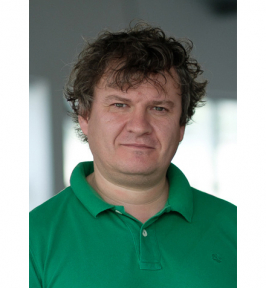
LEONID DUMITRAȘCU
Department Head
- Str. 31 August 1989, 137
- +373 691 888 94
- ldumitrascu@hotmail.com
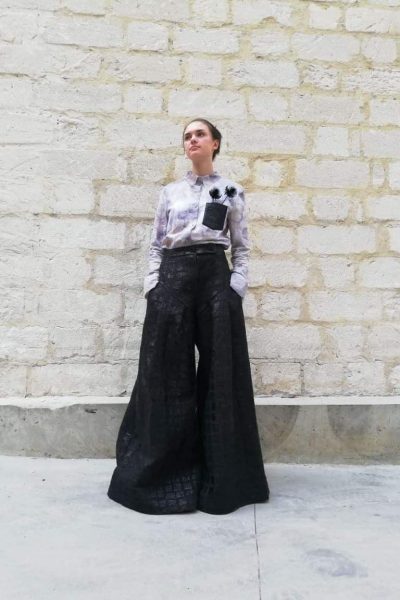
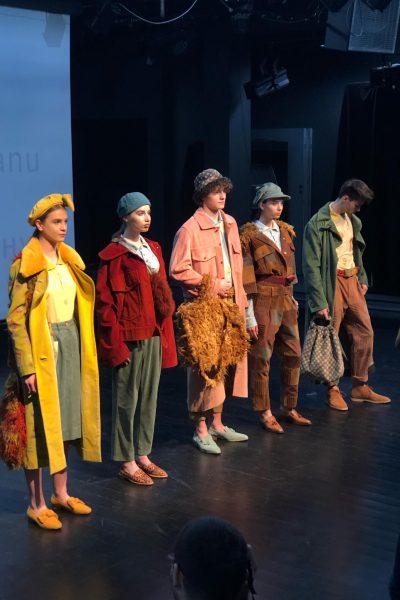
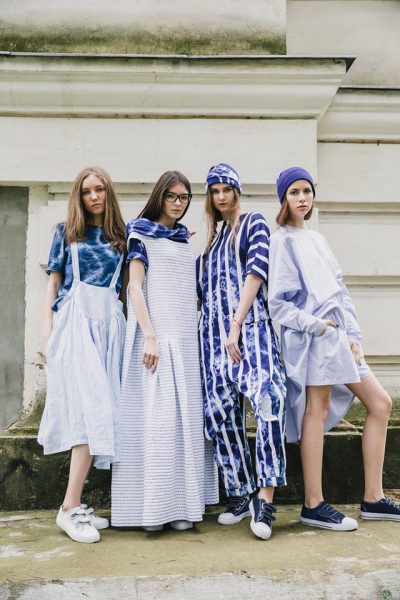
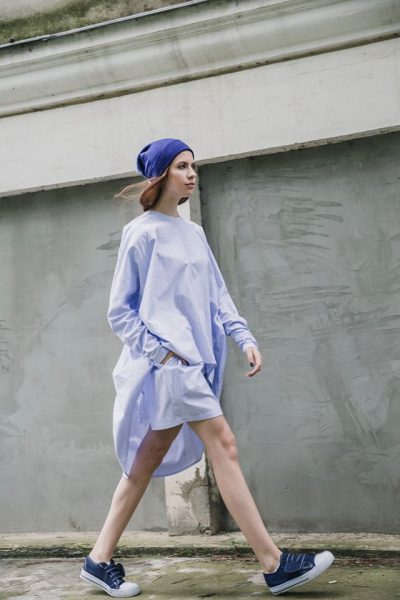
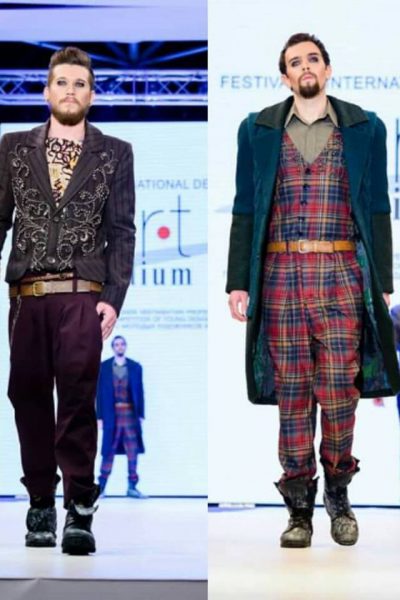
"Fashion – Clothing Design" Department”
Brief History
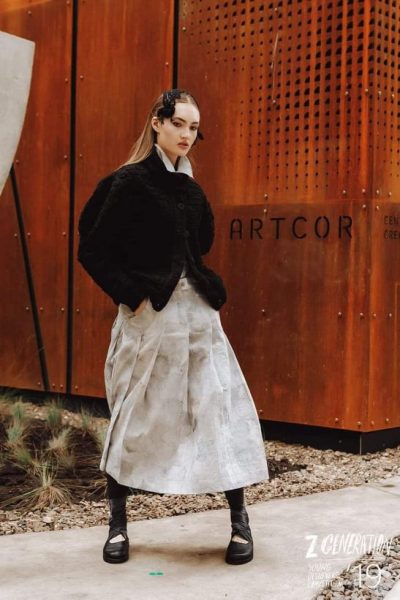
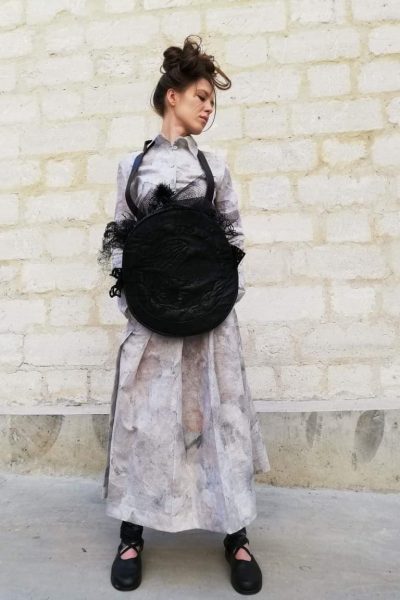
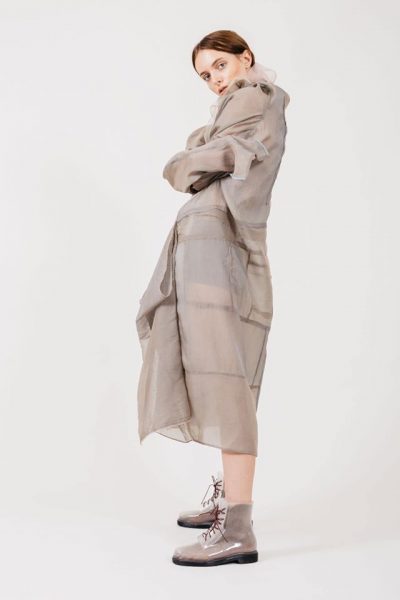
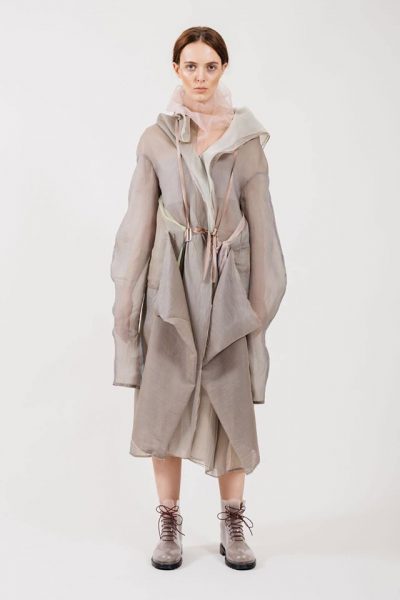
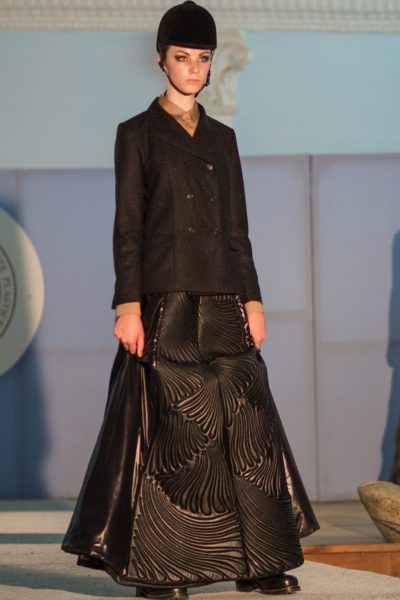
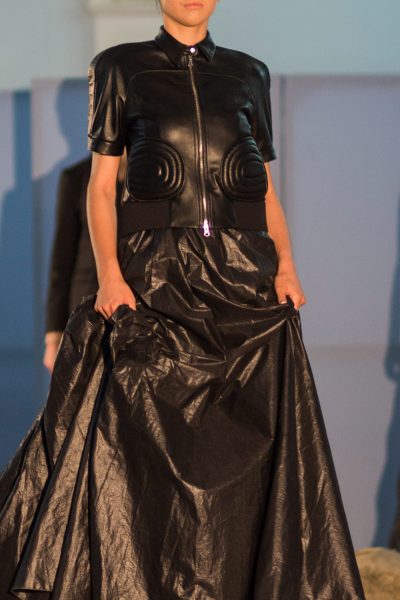
Training in the Fashion/Clothing Design specialization (code 0212.1, Design profile) was initiated at the State Institute of the Arts in 1985 within the Department of Applied Decorative Arts (part of the Fine Arts division), under the leadership of Department Head Eduard Copaciov; this initiative was undertaken in agreement with the Ministry of Education of the Republic of Moldova to address the need for qualified professionals in the field of fashion design.
The Fashion Design Department was established during the 1993–1994 academic year; subsequent department heads included Ecaterina Pavlovschi, followed by Margareta Șestacovschi, Valentina Armaș, Onorica Malarciuc, Laura Platon, and Luminița Gorcinschi.
In 1999, the Fashion Design specialization was officially approved via Government Decision No. 445 of May 13, 1999, "Regarding the Nomenclature of Specializations for Personnel Training in Higher Education Institutions of the Republic of Moldova."
In 2006, the Academy of Music, Theatre and Fine Arts (AMTAP) received institutional accreditation, and the Fashion Design specialization was accredited concurrently.
Following a reorganization of the faculties within AMTAP in 2017, the Fashion Design Department was reclassified as the Fashion Design Section within the Design Department.
Educational Offer
Applicants for the "Fashion – Clothing Design" specialization (code 0212.1) are typically graduates of arts-oriented pre-university institutions who possess aptitude in the visual arts. Prospective students are selected through a competitive process based on their Baccalaureate Diploma. The duration of the study program is four years.
The fundamental mission of the Fashion – Clothing Design program is to train young specialists in the field of fashion creation and clothing design who are capable of making a significant artistic impact across cultural, educational, industrial, and commercial sectors. The program fosters the competencies and skills necessary for professional practice and contributes to the professional development of specialists capable of meeting societal and labor market demands.
The Bachelor's degree facilitates employment as clothing designers for state-owned or private enterprises, as stylists (specializing in clothing, accessories, makeup, or hairstyling architecture), and as costume designers. Additionally, graduates who have completed the psycho-pedagogical module have the opportunity to work as art and design teachers in pre-university institutions or as artistic directors in creative studios and centers.
Faculty structure of the Fashion Design Department:
Teaching activities within the study program are conducted by specialists who graduated from prestigious educational institutions in Moldova, Ukraine, and Russia. The department's faculty members hold academic ranks and scientific titles in the fields of pedagogy and art studies; they engage in continuous professional development—thereby strengthening their intellectual and professional capabilities—and have earned distinguished titles such as "Honored Figure" and "Master of Arts," in addition to holding membership in the Union of Visual Artists.
Alongside their teaching, methodological, and research activities, the faculty members are actively engaged in creative artistic work, exploring fields such as fashion design and the visual and decorative arts (painting, graphic art, artistic textile printing, etc.). This creative engagement is evidenced by the faculty's participation in art exhibitions both at home and abroad.
Tenured:
- Maia Veste, Head of Department, University Lecturer, PhD Candidate
- Luminița Gorcinschi, Acting University Associate Professor, Honored Figure
- Bujorean Tatiana, University Lecturer
- Ștaihman Stela, University Lecturer
- Bunduc Valentina,University Lecturer
- Drobaha Olga, University Lecturer
- Platon Laura, University Lecturer
- Sudacevschi Svetlana,University Lecturer
Internal concurrent employment:
- Cojucari Liuba, University Lecturer
- Hubenco Teodora,PhD, Associate Professor
- Savițkaia-Baraghin Iarîna, PhD, Associate Professor
- Guțu Leonardo, University Lecturer
- Tatiana Rîșchitor, PhD., University Lecturer
Department courses
The department's courses ensure the acquisition of knowledge and practical skills in the fields of fashion design and decorative arts. Professional training in fashion and fashion design is supported by specialized internships, which offer students opportunities for high-quality professional development.
Reference documents
- Initiation practice, Year 1, Semesters I and II
- Ethnographic practice, Year 2, Semesters III , IV
- Creative practice, Year 3, Semesters V and VI
- Teaching Practicum, Year 4, Semester 7
- Bachelor's degree internship, 4th year, VIIth and VIIIth semesters
- List of curricula
- Partnership agreements
- Internship Regulations
- Guide to Preparing and Defending the Bachelor's Thesis
- Regulations of the Fashion Design Department.
- The Design Department's quality team.
- Graduate Satisfaction Questionnaire
- Curriculum (0212.1 – Fashion – Fashion Design)
- Curriculum (214.1 – Fashion Design)
Contact details::
- Deanship: (022)234223;
- Head of Fashion Design Department – Maia Veste:
- Tel.: 079426336;
- E-mail: mayvest76@mail.ru; maiaveste1976@gmail.com
 |
 |
"Interior Design" Department
Teaching staff
Tenured:
- Leonid Dumitrașcu, University Lecturer, PhD Candidate, Head of Department
- Jitari Victor, University Lecturer, PhD in Arts
- Natalia Vavilina, University Assistant, PhD Candidate
- Iurii Istrati, University Assistant
- Radu Vieru, University Assistant
- Svetlana Sinică, University Assistant
- Miron Denis, University Assistant
- Vitalii Vîșcu, University Assistant

Reference documents:
- Curriculum (0212.2 – Interior Design, 1st Cycle) – 2019;
- Curriculum (214.2 – Interior Design, 1st Cycle) – 2014;
- Educational offer – Interior Design section;
Educational Offer
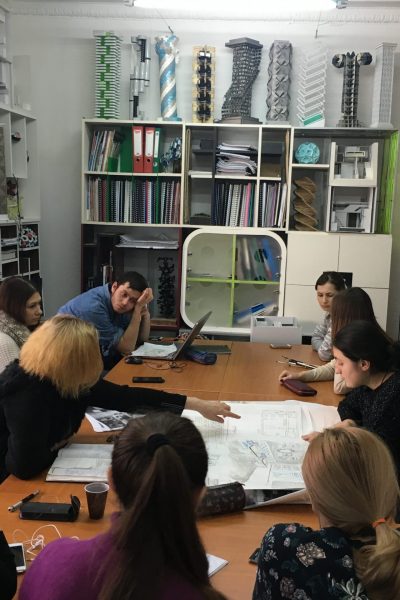
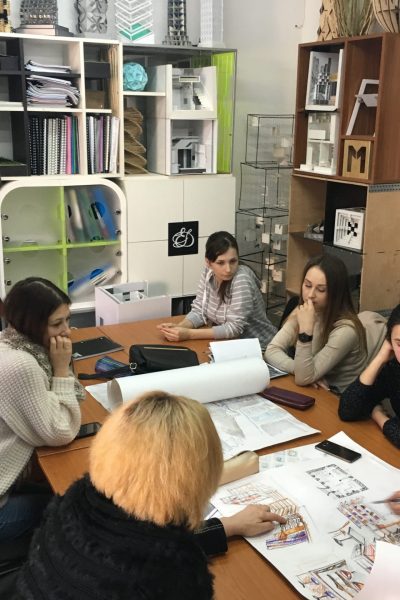
The "Interior Design" study program embraces educational, scientific, and cultural missions: training highly qualified professionals in the field of interior design across various levels of undergraduate and postgraduate study;
Fostering research capabilities, creativity, and innovation in interior design, as well as ensuring competitive engagement at both national and international levels;
Promoting free and creative artistic expression, critical thinking, and a drive for innovation, while advancing knowledge in the spirit of scientific truth, artistic beauty, and moral integrity.
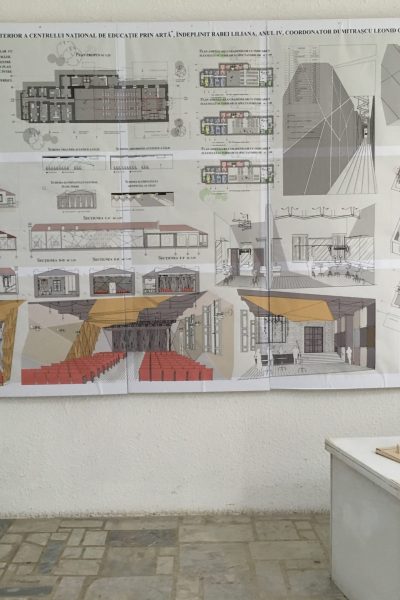
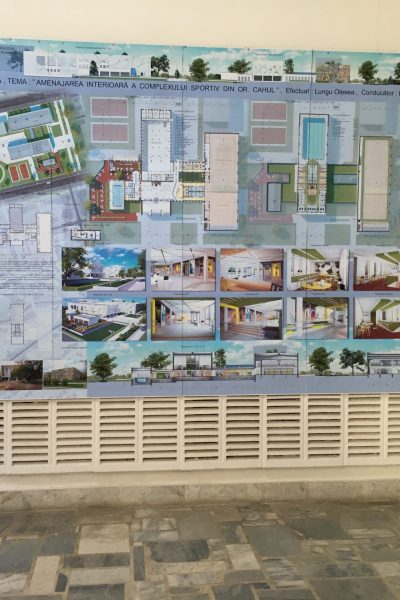
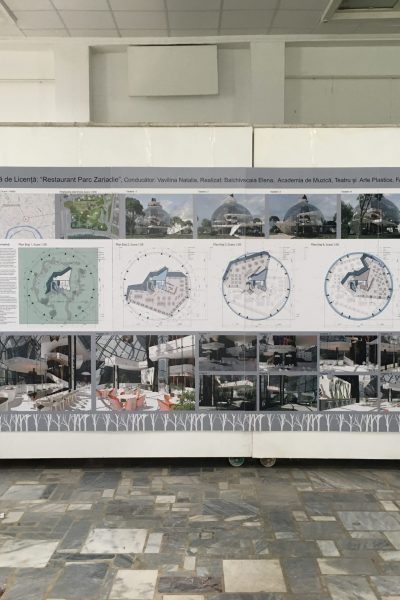
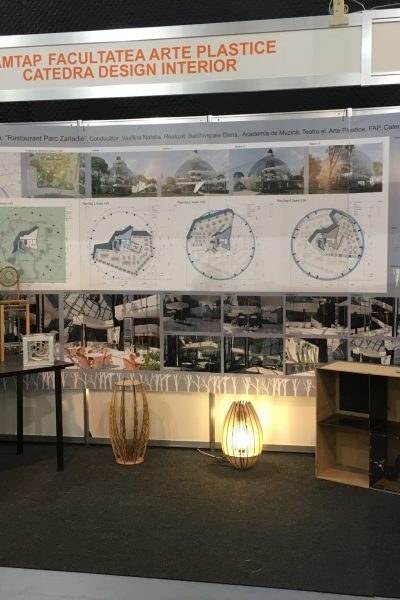
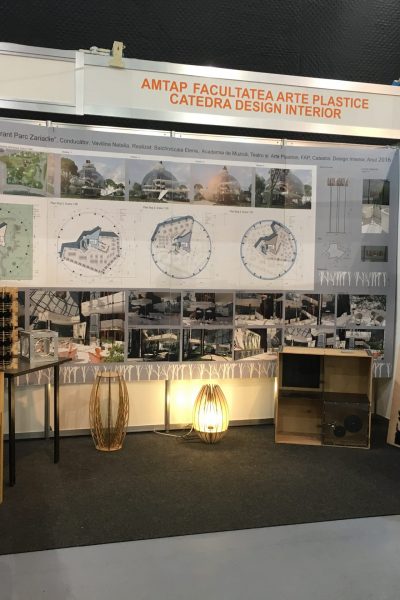
Bachelor's theses